Mining Store
Industrial Ecommerce
Mining Store Case Study
Efficiency up while spend scaled 5x
Return on ad spend moved from 1.7x to 6.2x in 90 days — and it happened while the media budget grew five-fold, not while it was cut.
- Timeframe
- 90 days
- Measured in
- Google Ads, Google Analytics 4 and HubSpot sales data
Performance highlights
6.2x
Return on ad spend, up from 1.7x
90 days
Time to that result
5x
Growth in ad spend over the same period
$10M+
Revenue generated across the engagement
Background
The business
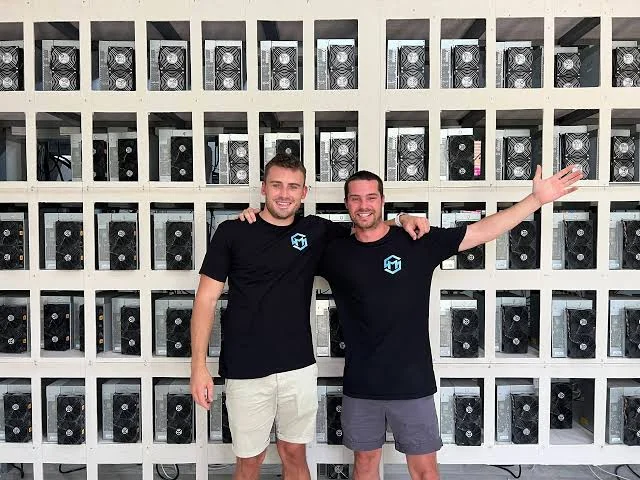
Mining Store sells industrial and mining equipment online — a category with long consideration windows, technical buyers and a product catalogue that rewards precision far more than volume.
The Challenge
Where Mining Store started
The account was already spending, and it was already returning something, but a 1.7x return on ad spend gave the business almost no room to move.
At that level of efficiency, scale is a trap. Every extra dollar pushed into the account buys more revenue but does very little for the bottom line, so the honest option is to hold spend flat and accept the ceiling. That is where most accounts stall: profitable enough to keep running, never efficient enough to press.
The brief was not simply to lift a number. It was to make the account efficient enough that scaling it was a commercial decision rather than a gamble — and to do that across search, shopping, organic and paid social at once, so growth in one channel wasn't quietly cannibalising another.

The Approach
What we did
Rebuild the search and shopping foundation
Google Ads and Google Shopping were restructured around how industrial buyers actually search — by specification, part and application rather than broad category. Feed quality, product-level segmentation and query control did more for efficiency in the first weeks than any bidding change could.
Let SEO carry the terms it should own
Organic search was worked in parallel so the paid account stopped paying for demand the site could win on its own. That freed budget for the queries where paid genuinely outperforms organic, which is a large part of why efficiency climbed while the budget grew.
Use Meta for the demand search can't capture
Meta Ads handled audience building and the return path for buyers who research long before they purchase, feeding a warmer pool back into search and shopping rather than competing with them.
Scale only on proven economics
Budget increases were staged against measured return, not forecast return. Spend went up five-fold because the numbers earned it at each step — never ahead of the evidence.

The Results
What changed
- Return on ad spend improved from 1.7x to 6.2x within 90 days.
- That improvement happened while ad spend grew five-fold — efficiency and scale moved in the same direction.
- Over $10M in revenue generated for the brand across the engagement.
“Seriously sharp marketers who understand the nuance of our business.”
Why scaling and efficiency usually fight each other
The default expectation in paid media is a trade-off. Push spend up and efficiency comes down, because you exhaust the best-performing queries first and every additional dollar reaches a slightly less qualified buyer. Most accounts therefore have to pick one: a strong return on a small budget, or volume at a thin margin.
The reason both moved in the same direction here is that the constraint was never the budget. It was structure. Once search and shopping were segmented properly, once organic was carrying the terms it should carry, and once paid social was building the audience rather than chasing the same clicks, there was far more genuinely profitable inventory available to buy. Scaling into that is a different exercise entirely to scaling into a saturated account.
It also changes what the reporting is for. Instead of defending a spend level, the conversation each month became a straightforward question of where the next increment could go and still clear the return threshold.
What this looks like for other industrial ecommerce brands
Technical catalogues are unusually sensitive to structure. Buyers search with part numbers, specifications and application language, and a feed that doesn't reflect that will bleed budget on near-miss queries no matter how good the bidding strategy is. Fixing that is unglamorous work with a very direct commercial payoff.
The second lesson is channel discipline. Search, shopping, organic and paid social all touch the same buyer, and when they are managed as separate scorecards they end up bidding against each other. Managed as one system, each one takes the part of the journey it is genuinely best at.

“It's nice to work with seriously sharp marketers who are genuinely interested in our business and take the time to understand the nuance of our business.”
Will Wright
CEO, Mining Store
Questions about this engagement
How long did the ROAS improvement take?
Return on ad spend moved from 1.7x to 6.2x within 90 days of the engagement starting.
Was ad spend reduced to achieve that return?
No. Ad spend grew five-fold over the same period. The efficiency gain came from restructuring search, shopping, organic and paid social rather than from cutting budget.
Which channels were involved?
SEO, Google Ads, Google Shopping and Meta Ads, managed together as a single system.
Services behind this result
Google Ads Management
Search and shopping campaigns managed against return, not clicks.
Ecommerce SEO
Organic visibility for product and category pages that carry revenue.
Facebook & Meta Ads
Paid social that builds the audience search later converts.
Google Ads Melbourne
Paid search management for Melbourne businesses, run against return.
More client work is on the case studies index, and client feedback sits on the reviews page.
Other case studies